What many people don't realize about seemingly "minor" rear-end accidents is how significantly they can alter your life. That seemingly gentle tap from behind, or a downright jarring force, can trigger a cascade of medical issues, financial pressures, and legal complications. While conventional wisdom suggests the trailing driver is always at fault, the reality requires a more nuanced approach to the question of fault.
Yes, the rear-ending driver is most often at fault for crashes like yours. However, in some relatively rare circumstances, such as the motorist in front braking for no apparent reason, the determination of who is at fault for the collision can be affected. Do not wait to hire a Stevens Point, Wisconsin, car accident attorney if you have been in any type of crash, as they will establish fault and lead your pursuit of fair compensation.
Rear-End Accident Fault - Key Takeaways
- The following driver typically bears responsibility for a rear-end crash, but exceptions exist that can change the picture of fault
- An attorney will utilize all available evidence to determine who is at fault for your collision
- Critical evidence disappears rapidly after accidents, making immediate documentation and preservation essential
- Even low-speed crashes can cause serious injuries—whiplash, spinal damage, and traumatic brain injuries can happen even at relatively low velocity
- Recoverable damages can include medical bills, lost income, rehabilitation costs, pain and suffering, diminished quality of life, and other economic and non-economic harm
- Legal deadlines vary by state, but every rear-end accident survivor should hire their lawyer as soon as possible, considering their case an urgent priority
- Consulting with an experienced personal injury attorney immediately protects your rights and maximizes your potential recovery
Case by Case: Proving Who Is at Fault for a Rear-End Accident
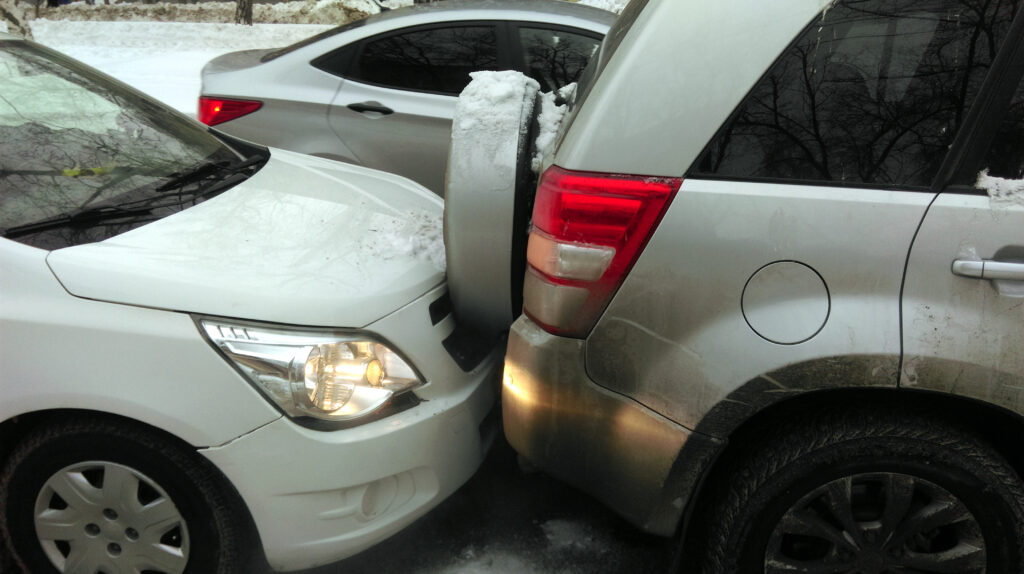
The fundamental legal principle governing rear-end accidents centers on the duty every driver owes to maintain safe following distances and remain alert to changing traffic conditions. When drivers fail to meet this standard of care, they become liable for resulting damages and injuries.
If a motorist hits another from behind, there is a substantial chance that they either did not maintain a safe distance or remain alert to the road. It can also be true that the driver in front caused the accident, perhaps by:
- Braking suddenly because they are distracted or startled
- Driving an unsafe vehicle, which might cause the vehicle to come to a stop in the roadway
- Driving erratically because they are impaired (a state that might even cause them to fall asleep behind the wheel)
Determining fault for a rear-end collision is often a more complex undertaking than initial appearances suggest. Traffic laws vary, multiple causes can contribute to a crash, and you must have a complete account of the information before you can be sure about fault.
Expect your lawyer to use modern accident analysis techniques in proving fault for your crash. Your legal team may even use advanced accident reconstruction techniques, including computer modeling and expert analysis, which play increasingly important roles in complex liability determinations.
Determining fault is one of several vitally essential responsibilities a lawyer will handle for you after your collision. This, like all their other responsibilities, comes with little margin for error.
Primary Causes of Rear-End Accidents (Which Determine Fault for a Crash)
It's worth examining the causes of rear-end crashes. These causes are precisely what your lawyer will consider when they determine who is at fault for your crash and resulting damages:
Drivers Violating Their Duty of Care
The majority of rear-end collisions result from preventable driver errors and negligent behaviors, which include:
- Distracted driving, which can take the driver's eyes off the road, can result in them hitting a vehicle that has slowed down in front of them
- Following closely behind another vehicle, which reduces a driver's margin for error when the vehicle in front brakes
- Speeding
- Impaired driving
- Driver fatigue
- Aggressive driving behaviors
Drivers cannot avoid all accidents, but they can prevent a large percentage of them. When motorists fail to place safety as the top priority, though, they risk causing rear-end accidents and hurting others.
Environmental and Mechanical Factors
External circumstances sometimes contribute to rear-end accidents, and those factors can include:
- Rain, snow, fog, ice, or other weather conditions
- Poorly maintained roads
- Vehicle defects
- Traffic control problems, such as malfunctioning signals
If these or any other environmental or mechanical factors played a role in your crash, your attorney will weigh them as they determine fault for the collision.
A Few Types of Rear-End Collisions That Can Prompt Insurance Claims and Lawsuits
Another factor your lawyer may include in their fault formula is the way in which the vehicles collided. Sometimes saying "rear-end accident" is not descriptive enough to be helpful, so an accident reconstructionist or lawyer might instead refer to:
Standard Two-Vehicle Accidents
The most common scenario involves one vehicle striking another from behind. These accidents frequently occur in stop-and-go traffic, at traffic signals, or when the lead vehicle must brake suddenly for pedestrians or road hazards.
Multi-Vehicle Chain Reactions
More complex accidents involve three or more vehicles in sequence. These cases require careful analysis to determine each driver's contribution to the incident. Initial impacts often trigger subsequent collisions, with responsibility potentially distributed among multiple parties.
Commercial Vehicle Incidents
Accidents involving large trucks or other commercial vehicles are uniquely dangerous due to size and weight disparities. Resulting injuries are frequently more severe due to the physics involved.
Speeding and other driver errors are among the leading factors in serious truck collisions. However, car accident attorneys also know that negligence in hiring practices, driver monitoring, and truck maintenance can also cause such crashes.
Low-Speed and Parking Area Collisions
Even low-speed impacts in parking lots or tight traffic situations can cause significant injuries. These environments can be unusually chaotic and require the utmost attention from the drivers tasked with avoiding low-speed rear-end collisions.
Some Complex Fault Scenarios Seen in Rear-End Accident Cases
Now that we have seen how complicated the question of fault can be, let's look at some uniquely complex accident types (one of which you may be facing the fallout of):
- Sudden Lane Change Situations
- Vehicle Maintenance Failures
- Phantom Vehicle Incidents
- Infrastructure and Construction Issues
Serious Injuries from Seemingly Minor Impacts
The term "fender bender" creates a dangerous misconception about rear-end collision severity. These accidents often result in substantial, life-altering injuries. In fact, there were 2,817 fatal rear-end traffic crashes in a single year, and even more resulting in serious injury.
Experienced car accident attorneys know that victims of rear-end collisions can cause:
Soft Tissue Damage
The sudden acceleration and deceleration forces in rear-end crashes commonly cause whiplash injuries affecting the neck, shoulders, and upper back. These injuries might cause:
- Chronic pain (perhaps for the remainder of a victim's life)
- Reduced range of motion
- Persistent headaches
- Cognitive difficulties
- Sleep disturbances
These and other symptoms might require extended physical therapy and other medical interventions.
Spinal Injuries

The violent forces involved in rear-end collisions can cause significant spinal damage, such as:
- Herniated or bulging discs
- Fractured vertebrae
- Spinal instability
- Nerve compression
- Chronic pain conditions
Severe cases might even leave the victim with partial or complete paralysis, irreparably changing the survivor's life in an instant.
Traumatic Brain Injuries
Even without direct head impact, the rapid acceleration and deceleration can cause brain injuries such as concussions. Brain injuries are famously difficult, potentially interfering with concentration, mood, and every aspect of life that requires cognitive steadiness.
Psychological and Emotional Trauma
The mental health consequences of rear-end accidents often receive insufficient attention. Post-traumatic stress disorder, anxiety, depression, and social isolation due to mobility restrictions and fear are just some of the possible outcomes of any traffic accident.
How Such Injuries and Traumas Become Recoverable Damages
We have now seen how all-encompassing the physical pain, limitation, and trauma can be after a crash like yours. Your car accident attorney will itemize those types of harm as recoverable damages. These damages can be both economic (having a clear financial value) and non-economic (having a less clear financial value), and may include:
- Medical expenses
- Future medical costs
- Lost income
- Diminished earning capacity
- Property damage
- Pain and suffering
- Mental anguish
- Loss of life enjoyment
- Disfigurement and scarring
- Loss of consortium
In cases involving particularly egregious conduct, such as intoxicated driving or street racing, courts may award punitive damages to punish defendants and deter similar future conduct.
Expect Liable Insurers to Turn the Blame on You
Insurance companies operate as for-profit businesses with primary obligations to shareholders rather than claimants (like you). Do not be surprised if one or more insurance companies try to:
Delay as a Strategy
Insurance adjusters employ various tactics to extend claim processing times, hoping claimants will accept inadequate settlements due to financial pressure.
Minimize Your Injuries and Trauma
Adjusters actively work to downplay injury severity through several approaches. They might question the necessity of prescribed medical treatments or attribute symptoms to pre-existing conditions or normal aging.
Lowball You
Initial settlement proposals are typically only a fraction of the actual claim value. Companies rely on claimants' unfamiliarity with legal processes and immediate financial needs to secure quick, inadequate resolutions.
Your Lawyer Will Then Build on an Offensive Strategy to Secure the Money You Deserve
Your rear-end accident attorney will be prepared for insurance companies to act less than ethically. Your legal team will also be ready for the other hazards that lead to substandard claim outcomes, and should take proactive measures like:
Reconstructing the Collision with Cutting-Edge Techniques
Modern reconstruction techniques provide powerful tools for demonstrating collision dynamics, and your lawyer may use:
- Computer simulations showing vehicle movements and impact forces
- Mathematical calculations determining speeds and available stopping distances
- Damage pattern analysis revealing collision characteristics
- Expert testimony translating complex technical concepts for lay audiences
A sound, convincing accident reconstruction can serve as undebatable proof of who caused the collision and who is at fault for your damages.
Conducting an Economic Impact Analysis
Accurately quantifying financial losses requires sophisticated analytical approaches, which may include:
- Life care plans detailing future medical treatment needs and costs
- Vocational expert assessments of earning capacity impacts
- Economic analysis calculating present values of future losses
- Comprehensive documentation of all past and projected expenses
Leave these critical details to your attorney, who will understand the vital importance of an accurate damage assessment.
Documenting Your Pain and Suffering
Non-economic damages require creative presentation approaches to help others understand their true impact. Your attorney will secure any family and friend testimony regarding personality and lifestyle changes, medical records demonstrating pain levels and treatment responses, and other proof of your accident-related pain and suffering.
Successful rear-end accident cases require comprehensive preparation and strategic evidence presentation. Experienced attorneys understand what evidence carries the most weight and how to present it most effectively to insurance companies and juries.
Quick FAQs About Rear-end Accidents
The goal of this article is to provide you with the information you need following a rear-end crash. In addition to directing you to a car accident lawyer who will do your case justice, you also deserve answers to some of the most common questions posed by victims who are in your shoes:
Can I still recover compensation if I was partially responsible for the accident?
There are cases in which someone can receive compensation even if they share fault for a rear-end collision. Your attorney will let you know if your case is one of them.
How much time do I have to take legal action after a rear-end collision?
Statutes of limitations vary significantly by state, typically ranging from one to six years from the accident date. However, certain circumstances can modify these deadlines—suing a municipality, for example, may require quicker action.
What should I expect if the insurance company requests an independent medical examination?
Independent medical examinations (IMEs) are common insurance company tactics, though they're rarely truly independent. These doctors work frequently with insurance companies and may be biased toward minimizing injury findings.
While you may be contractually required to attend, you should prepare thoroughly with your attorney's guidance. Your lawyer can ensure the examination is conducted fairly and challenge any biased or inaccurate conclusions in the resulting report.
Is it worth pursuing a case if the other driver has minimal insurance coverage?
Limited insurance coverage doesn't necessarily mean limited recovery options. Your own policy may include uninsured/underinsured motorist coverage, which provides compensation specifically when the other party lacks adequate coverage.
You may also be able to pursue the at-fault driver's personal assets through litigation. Additionally, other parties may share liability, such as employers of commercial drivers, vehicle manufacturers in cases involving defects, or government entities responsible for road maintenance. An experienced attorney can identify all potential sources of recovery.
Take Control of Your Recovery, a Car Accident Attorney is Standing By

Rear-end accidents disrupt far more than your daily commute—they can fundamentally alter your health, financial stability, and future. The physical pain, emotional trauma, and mounting financial pressures can serve as a pressure cooker that insurance companies often exploit to their benefit.
Every day that passes without proper legal representation potentially weakens your position. Do not wait to hire your personal injury lawyers in Stevens Point. Let them handle the pressure so you can heal and make sound decisions when it comes to your claim or lawsuit.